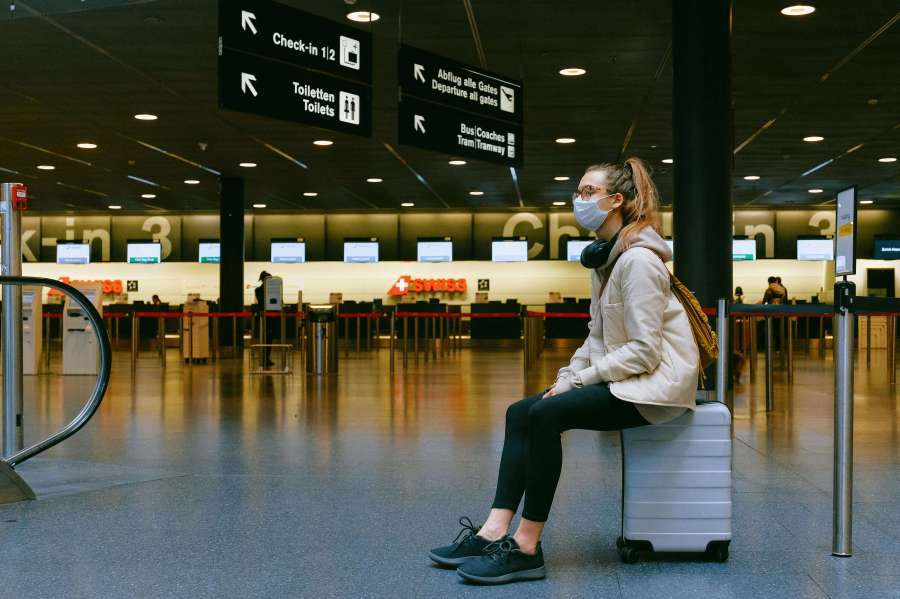
Traveling alone can be an exciting and liberating experience, offering opportunities for self-discovery, adventure, and cultural immersion. However, solo travel also comes with unique challenges, especially when it comes to safety. Whether you’re a first-time solo traveler or an experienced adventurer, following these essential safety tips can help ensure a smooth and worry-free journey.
1. Research Your Destination
Before you even book your ticket, research your destination thoroughly.
- Learn about local customs, laws, and cultural norms to avoid unintentionally offending anyone.
- Check for travel advisories or safety warnings from your government.
- Read reviews from other travelers on blogs, forums, and travel sites to understand potential risks.
2. Choose Safe Accommodations
Your accommodation plays a crucial role in your safety and overall experience.
- Opt for well-reviewed hotels, hostels, or Airbnb properties in safe neighborhoods.
- Look for places with 24-hour reception or security features like keycard access.
- Consider staying in a women-only hostel or accommodation if you’re a solo female traveler.
3. Stay Connected
Keeping in touch with friends or family is essential for safety.
- Share your itinerary with trusted family members or friends before you leave.
- Regularly check in via phone, text, or social media updates.
- Carry a fully charged phone and a portable charger in case of emergencies.
4. Blend In and Stay Aware
Drawing too much attention to yourself can make you a target for scams or theft.
- Dress like a local and avoid wearing flashy jewelry or expensive accessories.
- Walk confidently and be aware of your surroundings at all times.
- Trust your instincts—if something feels off, remove yourself from the situation.
5. Keep Your Belongings Secure
Solo travelers are often seen as easy targets for theft. Protect your valuables by:
- Using an anti-theft backpack or money belt.
- Keeping copies of important documents (passport, ID, travel insurance) in a secure online location.
- Using a padlock for hostel lockers or safes in hotels.
6. Be Cautious with Strangers
Meeting new people is one of the best parts of solo travel, but be mindful of your interactions.
- Avoid sharing too much personal information with strangers.
- Trust your gut—if someone makes you uncomfortable, politely remove yourself from the situation.
- Be wary of overly friendly locals who may have ulterior motives, such as scam artists or pickpockets.
7. Use Reliable Transportation
Getting around safely is crucial, especially in unfamiliar places.
- Use reputable transportation options like licensed taxis, Uber, or public transit with good reviews.
- Avoid accepting rides from strangers or unmarked vehicles.
- If walking alone at night, stay in well-lit and populated areas.
8. Have Emergency Contacts and a Plan
Preparation is key in case something goes wrong.
- Save emergency contacts, including local authorities and your country’s embassy.
- Know the emergency number of the country you’re visiting.
- Keep a small amount of emergency cash in a separate location from your wallet.
9. Trust Your Instincts
Your intuition is your best defense when traveling alone.
- If a situation or person makes you feel uneasy, remove yourself immediately.
- Avoid risky areas, especially at night.
- Don’t feel pressured to do anything that makes you uncomfortable, even if it seems harmless to others.
10. Enjoy Your Trip and Stay Confident
Solo travel is an empowering experience, and confidence is key.
- Plan ahead, but also be flexible and open to new experiences.
- Stay positive and embrace the adventure.
- Most importantly, have fun and enjoy the freedom of traveling on your own!
Final Thoughts
Solo travel can be a rewarding and life-changing experience when done safely. By taking precautions, staying alert, and using common sense, you can explore the world with confidence. Whether you’re backpacking across Europe, exploring Southeast Asia, or road-tripping solo, following these tips will help you have a safe and memorable journey.


 Getting Go Travel