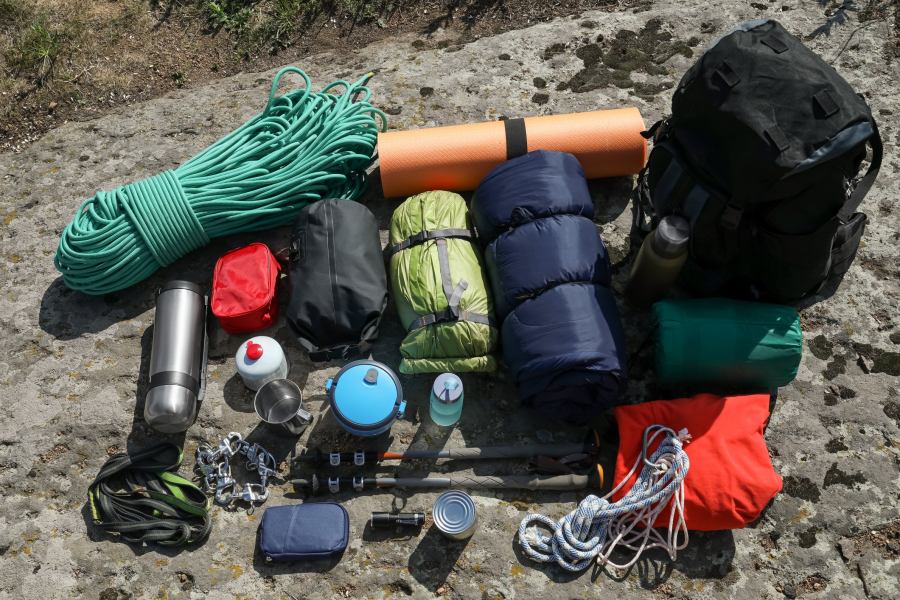
Packing the right gear can make or break your camping experience. Whether you’re heading to a campsite or venturing into the backcountry, being well-prepared ensures comfort, safety, and enjoyment. Here’s a complete checklist of must-have camping essentials and expert packing tips to keep your trip smooth and stress-free.
1. Shelter & Sleeping Essentials
Your shelter is your home away from home. Choosing the right tent and sleeping gear will help you stay warm, dry, and comfortable in the great outdoors.
✅ Tent: Choose a weather-resistant, easy-to-set-up tent. For extra protection, get a waterproof footprint to prevent moisture from seeping in.
✅ Sleeping Bag: Pick one suited for the season. A three-season sleeping bag works for most conditions, while a winter sleeping bag is needed for cold-weather camping.
✅ Sleeping Pad or Air Mattress: Adds insulation and cushioning for a good night’s sleep.
✅ Pillows & Blankets: Compact and lightweight options work best.
💡 Pro Tip: Practice setting up your tent at home before your trip—this can save you time and frustration at the campsite!
2. Cooking & Food Supplies
Good food makes for a great camping trip! Plan your meals and pack the right cooking essentials.
✅ Camping Stove or Portable Grill: A reliable stove makes cooking easy. For backpacking, a lightweight butane stove works best.
✅ Fuel: Make sure you have enough fuel for your entire trip.
✅ Cookware & Utensils: Bring a lightweight pot, pan, and utensils—a spork is a great multi-use tool!
✅ Cooler & Ice Packs: Essential for storing perishable food on longer trips.
✅ Non-Perishable Foods: Easy meals like trail mix, granola bars, canned goods, and instant meals are lifesavers.
✅ Water & Filtration System: Always bring extra water and a portable water filter if camping in remote areas.
💡 Pro Tip: Prep and portion your meals at home to save time and reduce waste at the campsite!
3. Clothing & Footwear for All Weather Conditions
Dressing in layers helps you stay warm, dry, and comfortable no matter the weather.
✅ Base Layer: Moisture-wicking fabrics like merino wool or synthetic materials keep you dry.
✅ Insulation Layer: A fleece jacket or down vest helps trap heat.
✅ Waterproof Outer Layer: A rain jacket and pants are must-haves.
✅ Hiking Boots or Waterproof Shoes: Choose sturdy, comfortable footwear for hiking and walking.
✅ Hat & Gloves: Essential for cold nights, even in summer.
💡 Pro Tip: Avoid cotton—it holds moisture and takes forever to dry! Stick to quick-drying fabrics.
4. Safety & First Aid
Safety should always come first. A well-stocked first aid kit can be a lifesaver in the wilderness.
✅ First Aid Kit: Includes bandages, antiseptic wipes, pain relievers, and any personal medications.
✅ Headlamp or Flashlight: Bring extra batteries for night visibility.
✅ Multi-Tool or Knife: Handy for cooking, repairs, and emergencies.
✅ Fire Starters: Waterproof matches, a lighter, and fire starters for campfires and cooking.
✅ Navigation Tools: Map, compass, and GPS for remote areas.
✅ Emergency Whistle & Bear Spray: If camping in wildlife-heavy regions.
💡 Pro Tip: Keep your first aid kit and flashlight easily accessible in case of an emergency!
5. Fun & Extras for a Great Camping Experience
Camping isn’t just about survival—it’s about fun and relaxation!
✅ Camping Chairs & Hammock: Great for chilling by the campfire.
✅ Books or Games: Keep yourself entertained during downtime.
✅ Binoculars: Perfect for birdwatching and stargazing.
✅ Camera or Smartphone: Capture memories, but don’t forget a power bank or solar charger.
💡 Pro Tip: A solar-powered lantern adds cozy lighting to your campsite without wasting batteries!
Packing Tips for a Smooth Trip
- Use a Checklist: Always double-check your packing list to avoid missing essentials.
- Pack Smart: Keep frequently used items in easy-to-reach spots.
- Distribute Weight Evenly: If backpacking, balance weight to reduce strain on your back.
- Leave No Trace: Pack eco-friendly products and dispose of waste properly to keep nature clean.
Final Thoughts
Packing for a camping trip doesn’t have to be stressful. With the right gear and a little preparation, you’ll be ready to enjoy nature without worry.


 Getting Go Travel