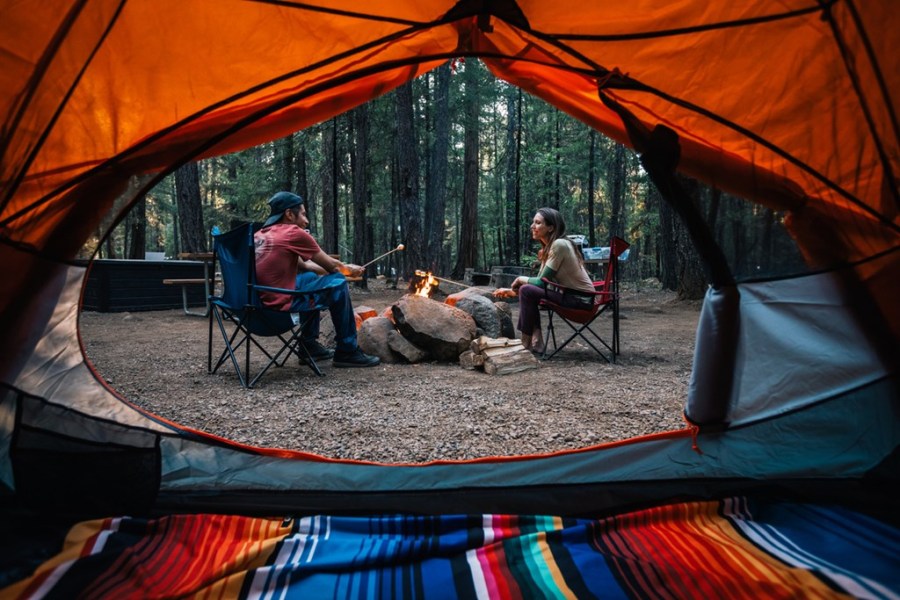
Camping is an exciting way to connect with nature, but if you’re a beginner, it can feel overwhelming. Don’t worry—I’ve got you covered! These must-know camping tips will help you have a safe, comfortable, and fun outdoor adventure.
1. Choose the Right Camping Gear 🎒
Having the right equipment makes all the difference. Here’s a checklist of essentials:
✔ Tent – Pick one that’s easy to set up and big enough for your group.
✔ Sleeping Bag – Choose based on the season (summer bags are lighter, winter bags are insulated).
✔ Sleeping Pad or Air Mattress – Adds comfort and insulation from the ground.
✔ Headlamp or Flashlight – Essential for nighttime visibility.
✔ Camping Stove & Fuel – Makes cooking easier than relying on a fire.
✔ Multi-Tool or Knife – Useful for cutting, fixing, and emergencies.
✔ First Aid Kit – Always carry one for safety.
💡 Pro Tip: Set up your tent at home before your trip so you know how it works!
2. Plan Simple Meals 🍽️
Cooking at camp doesn’t have to be complicated. Stick to easy, quick meals:
✔ Breakfast: Instant oatmeal, scrambled eggs, or granola bars.
✔ Lunch: Sandwiches, wraps, or trail mix.
✔ Dinner: Pre-marinated meat, foil packet meals, or pasta.
✔ Snacks: Nuts, jerky, and fresh fruit.
💡 Pro Tip: Prep ingredients at home to save time—chop veggies, marinate proteins, and pack spices in small containers.
3. Pack Smart, Pack Light 🎒
Beginners often overpack. Stick to the essentials and avoid unnecessary weight:
✔ Layered Clothing – Weather can change fast, so bring lightweight layers.
✔ Rain Gear – A waterproof jacket is a lifesaver in sudden rain.
✔ Comfortable Shoes – Hiking boots or sturdy sneakers are a must.
✔ Extra Socks & Underwear – Staying dry prevents discomfort.
💡 Pro Tip: Use packing cubes or Ziploc bags to organize gear and keep things dry.
4. Pick an Easy Campsite to Start 🏕️
For your first trip, choose a campground with amenities like toilets, running water, and designated fire pits. Avoid remote backcountry sites until you gain experience.
✔ Check if reservations are required before heading out.
✔ Look for campsites near water sources for convenience.
✔ Pick a flat spot with some shade for comfort.
💡 Pro Tip: Arrive before sunset so you have plenty of daylight to set up camp!
5. Stay Warm & Comfortable at Night 🌙
Nights can get chilly even in summer. Here’s how to stay cozy:
✔ Sleep in dry clothes (never wear sweaty ones to bed).
✔ Use a sleeping pad to insulate yourself from the cold ground.
✔ Wear a hat & socks if it gets extra cold.
✔ Keep hand warmers in your sleeping bag for extra warmth.
💡 Pro Tip: Stuff extra clothes in your sleeping bag to prevent cold spots!
6. Keep Your Campsite Clean 🗑️
Respect nature by practicing Leave No Trace principles:
✔ Pack out all trash – Don’t leave anything behind.
✔ Store food properly – Use a bear-proof container or hang food from a tree in bear country.
✔ Put out campfires completely – Use water and stir the ashes.
✔ Use biodegradable soap for dishes and hygiene.
💡 Pro Tip: Bring extra trash bags to keep your site clean and organized.
7. Be Prepared for Emergencies 🚑
Safety should always be a priority. Here’s how to be ready for anything:
✔ Tell someone your plans – Let a friend or family member know where you’re going.
✔ Bring a first aid kit – Include bandages, antiseptic, pain relievers, and bug spray.
✔ Carry a map & compass – Don’t rely solely on your phone.
✔ Know basic survival skills – Learn how to start a fire and purify water.
💡 Pro Tip: If you’re new to camping, download offline maps in case of no cell service.
Final Thoughts 🎯
Camping as a beginner is all about preparation, smart packing, and enjoying the experience. Start with short trips, learn as you go, and soon you’ll be camping like a pro!


 Getting Go Travel