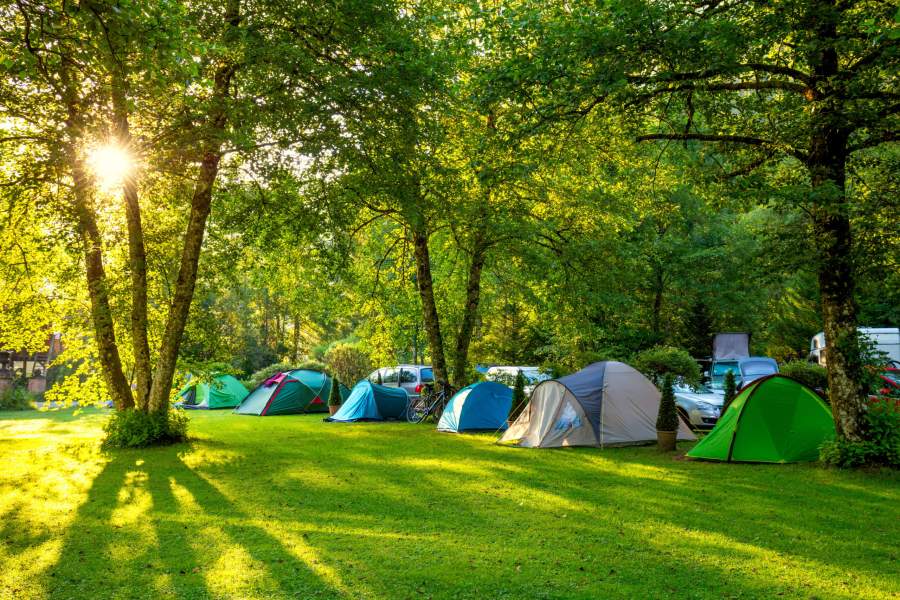
Picking the right campsite can make or break your camping experience. The ideal spot ensures comfort, safety, and an unforgettable adventure. Whether you’re camping in a national park, deep in the wilderness, or at a well-equipped campground, here’s how to find the perfect site.
1. Decide on Your Camping Style 🚐 vs. 🎒
Before picking a campsite, determine what type of camping you’re doing:
✔ Car Camping – Drive up to your site and bring more gear. Ideal for beginners and families.
✔ Backpacking – Hike to your campsite with only essential gear. Requires planning and fitness.
✔ RV Camping – Stay at a developed campground with hookups for water, electricity, and sewage.
✔ Primitive Camping – Remote spots with no facilities. Requires survival skills.
💡 Pro Tip: If you’re new to camping, start with car camping to get comfortable before trying more rugged options.
2. Location, Location, Location 🌲
Here’s what to consider when choosing the best campsite location:
✔ Flat Ground – Ensures comfortable sleeping and stable tent setup.
✔ Proximity to Water – Being near a lake or river is convenient but stay at least 200 feet away to protect the ecosystem.
✔ Natural Wind Barriers – Trees or rocks help block strong winds.
✔ Sunlight vs. Shade – In summer, look for shade; in cooler months, pick a sunny spot.
✔ Elevation – Avoid low spots where rainwater can pool.
💡 Pro Tip: Set up camp before sunset so you have plenty of light to prepare and settle in.
3. Safety Considerations ⚠️
Camping is fun, but safety comes first! Look out for:
✔ Avoid Wildlife Trails & Nests – Check for signs of animal activity.
✔ Stay Away from Dead Trees – Falling branches can be dangerous.
✔ Check for Flood Risks – Avoid camping in dry riverbeds that can flood unexpectedly.
✔ Know the Weather Forecast – Sudden storms or extreme cold can make camping risky.
💡 Pro Tip: Learn basic wildlife safety tips for the area you’re camping in—bear-proofing is a must in some locations!
4. Campground vs. Wild Camping 🌿
🏕️ Campground Camping (Best for Beginners)
✔ Has amenities like toilets, fire pits, and picnic tables.
✔ Easier access to emergency help.
✔ Usually requires reservations.
🌲 Wild/Dispersed Camping (For Experienced Campers)
✔ More privacy and untouched nature.
✔ No fees or reservations needed.
✔ Must follow Leave No Trace principles—pack out all waste!
💡 Pro Tip: If you’re camping at a popular campground, book early! Some sites fill up months in advance.
5. Checking Campsite Regulations 📝
Every campsite has its own rules. Before heading out, check for:
✔ Campfire Restrictions – Some areas ban fires due to wildfire risks.
✔ Wildlife Rules – Know how to store food properly.
✔ Camping Permits – Some parks require reservations or entry fees.
✔ Pet Policies – Not all campsites allow dogs, so check ahead.
💡 Pro Tip: Download offline maps and campsite rules in case you lose cell service.
6. Best Resources to Find a Campsite 🌍
✔ Recreation.gov – Best for U.S. national park and forest campgrounds.
✔ Hipcamp – Like Airbnb for camping, with unique private sites.
✔ KOA (Kampgrounds of America) – Offers family-friendly campgrounds with amenities.
✔ Google Maps & AllTrails – Helps find dispersed camping spots.
💡 Pro Tip: Read camper reviews to see real experiences and tips before booking!
Final Thoughts 🎯
Finding the perfect campsite is all about balancing convenience, safety, and experience. Whether you’re a beginner or an expert camper, the right spot can elevate your adventure.


 Getting Go Travel