Camping isn’t just about sleeping in a tent under the stars—there are many ways to enjoy the great outdoors based on your comfort level, experience, and adventure style. Whether you’re a beginner looking for a relaxing weekend or an expert seeking a backcountry challenge, there’s a camping type that fits your needs.
1. Tent Camping – The Classic Experience
If you think of traditional camping, tent camping is probably the first thing that comes to mind. It’s affordable, easy to set up, and great for families, solo adventurers, and group trips. All you need is a good tent, a sleeping bag, and a cozy campsite.
Best for: Beginners, families, and nature lovers.
Pros: Affordable, versatile, and widely available.
Cons: Weather-dependent and requires basic setup skills.
2. RV Camping – Comfort on Wheels
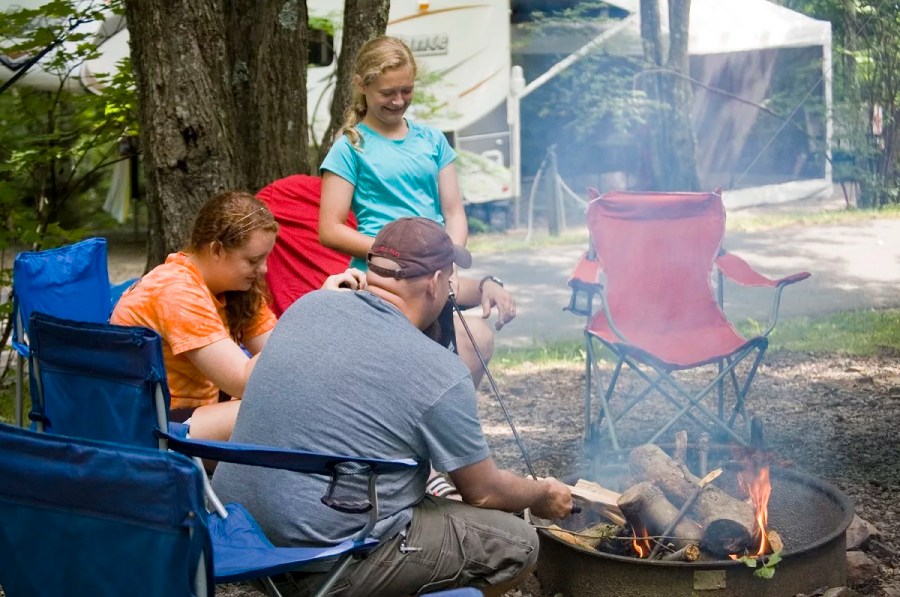
RV camping lets you enjoy nature without giving up modern comforts. With a recreational vehicle, you can sleep in a real bed, cook in a small kitchen, and even have access to heating or air conditioning. Many national parks and campgrounds have RV-friendly spots with electric hookups.
Best for: Road trippers, long-term travelers, and those who enjoy comfort.
Pros: Convenient, comfortable, and great for all seasons.
Cons: Requires parking space, fuel costs, and some driving experience.
3. Glamping – Luxury Meets Nature
If you love the idea of camping but not the roughing-it part, glamping is the perfect solution. This experience often includes luxury tents, cabins, or treehouses with plush bedding, electricity, and even WiFi. Some glamping sites offer hot tubs and gourmet meals!
Best for: Couples, first-time campers, and those who love comfort.
Pros: Stylish, stress-free, and great for a romantic getaway.
Cons: More expensive than traditional camping.
4. Backcountry Camping – The Ultimate Adventure
For thrill-seekers and experienced outdoor lovers, backcountry camping (also called wild camping) is the most adventurous way to experience nature. There are no designated campsites—you hike deep into the wilderness and set up your own. This type of camping requires navigation skills, lightweight gear, and survival knowledge.
Best for: Experienced hikers and survivalists.
Pros: Complete solitude, breathtaking landscapes, and an authentic adventure.
Cons: Requires preparation, permits (in some areas), and is not for beginners.
5. Car Camping – Affordable & Convenient
Car camping is a great option for those who want a simple and affordable way to enjoy nature. You can sleep inside your vehicle or pitch a tent right next to it at a drive-up campsite. It’s perfect for road trips, national parks, and weekend getaways.
Best for: Budget travelers, road trippers, and beginners.
Pros: No need to carry heavy gear, easy setup, and flexible locations.
Cons: Limited space in the car and not as immersive as traditional camping.
6. Winter Camping – For Cold Weather Enthusiasts
Camping in the snow? Absolutely! Winter camping is for those who love adventure and don’t mind braving cold temperatures. With the right gear, like insulated sleeping bags and four-season tents, you can experience breathtaking snowy landscapes and complete peace in nature.
Best for: Experienced campers and winter sports lovers.
Pros: Fewer crowds, stunning winter scenery, and unique experiences.
Cons: Requires specialized gear, can be physically demanding.
7. Eco-Friendly Camping – Leave No Trace
If protecting the environment is important to you, eco-friendly camping is the way to go. This involves minimal-impact camping, using biodegradable products, and following Leave No Trace principles. Some people even opt for solar-powered camping gear to reduce their carbon footprint.
Best for: Nature lovers and sustainability-conscious travelers.
Pros: Helps protect the environment and encourages responsible outdoor practices.
Cons: Requires extra effort to minimize impact.
Which Camping Style is Best for You?
The best camping experience depends on your comfort level, adventure spirit, and goals. If you love simplicity, tent or car camping is a great start. If you prefer comfort, go for glamping or RV camping. If you’re ready for a real challenge, backcountry or winter camping might be your perfect match.


 Getting Go Travel